![Best Plug-In Mini Ovens for Small Flats [2026]](https://13ampcooker.co.uk/wp-content/uploads/2026/09/best-plug-in-mini-ovens-countertop-cookers-for-small-uk-flat-featured-1100x450.webp)
Disclosure: This post contains affiliate links. If you purchase through them, we earn a small commission at no extra cost to you. Learn more.
Best Plug-in Mini Ovens & Countertop Cookers for Small UK Flats [2026]
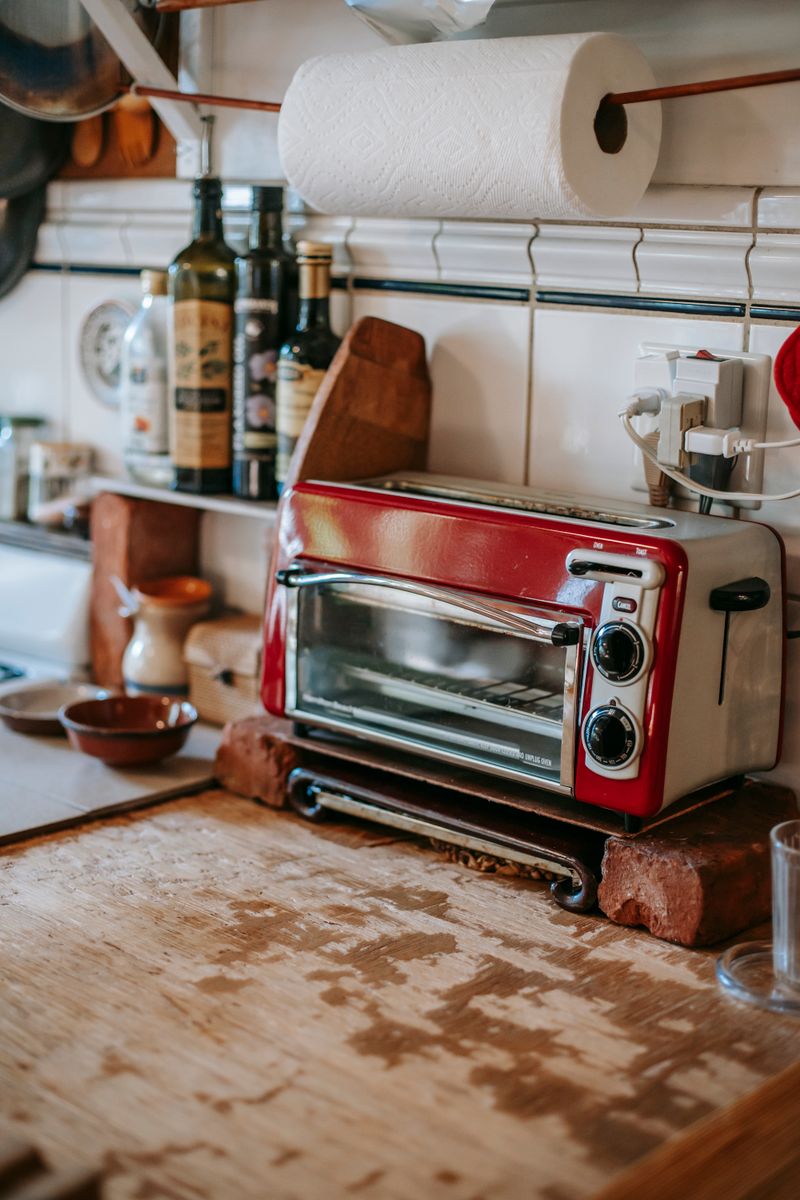
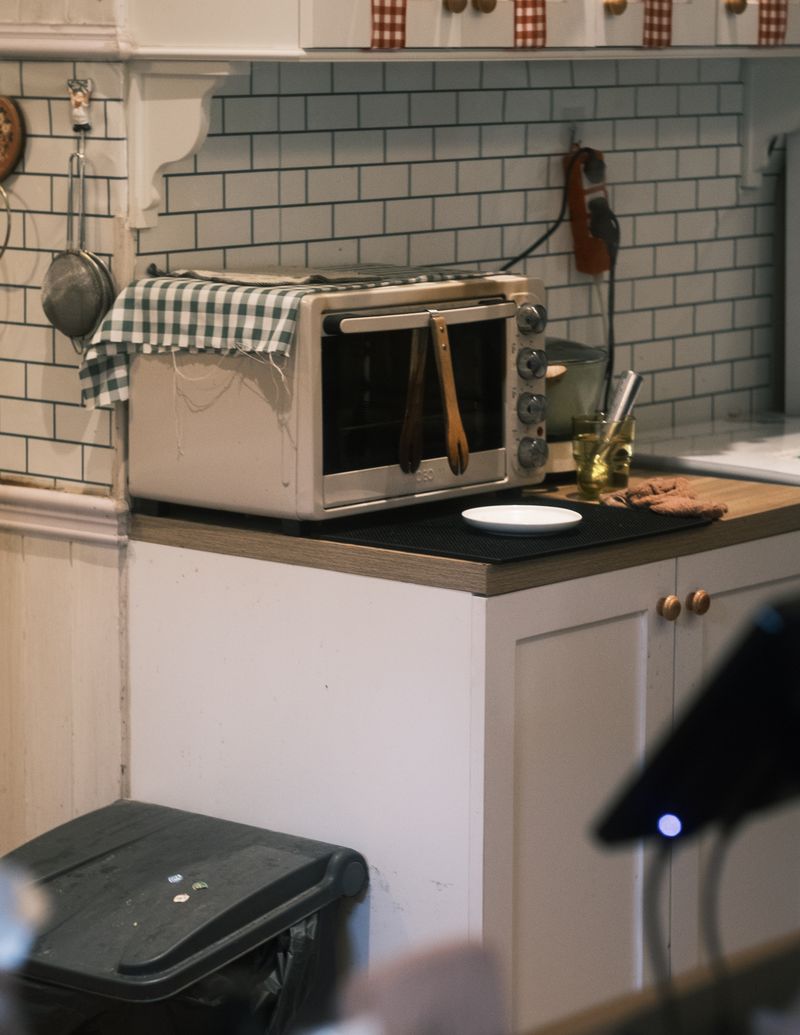
If you live in a small UK flat — a studio, bedsit, or maisonette with no room for a full-sized cooker — a plug-in mini oven with a hob is the smartest upgrade you can make. These countertop appliances combine an oven, grill, and one or two electric hotplates in a single unit running from a standard 13A socket. No gas, no hardwiring, no installation costs. Just plug in and cook.
The market for these all-in-one units has exploded in the last few years. More people are living in smaller spaces, more landlords are refusing to install 32A cooker circuits, and manufacturers have responded with genuinely good products. Here’s our pick of the best for 2026.
Why a Plug-in Mini Oven with a Hob?
Traditional electric cookers need a 32A circuit and an electrician. Countertop mini-ovens with hotplates bypass all that — oven for roasting and baking plus rings for boiling and frying, from a single 13A plug. The catch: combined wattage must stay under 3,000W (3kW) to avoid tripping the breaker. The best models sit at 2,600–2,850W.
In practice, that means you can use the oven and one hotplate together, but not the oven and both hotplates at maximum power simultaneously. The power management system on decent models handles this automatically — if you turn on the oven while a hotplate is running, it’ll reduce the hotplate’s output to stay within the 3kW limit.
Who are these for?
| Scenario | Mini Oven + Hob? |
|---|---|
| Studio flat, no cooker circuit | Ideal — replaces full cooker in one box |
| Student accommodation | Perfect — fits on a desk or counter |
| Rental with gas hob but no oven | Great — adds baking and roasting |
| Holiday home / caravan | Excellent — portable and self-contained |
| Large family kitchen with full cooker | Overkill — you already have both |
Our Top Picks for 2026
Best for Baking: NETTA 45L Mini Oven with Double Hotplates
2,850W combined | 45 litres | ~£85
The NETTA 45L Mini Oven with Double Hotplates is the roomiest plug-in mini oven with a hob on the UK market. Even heat distribution, two independently controlled hotplates, 100–230°C thermostat, 120-minute timer. Genuinely usable for baking — cakes, bread, roasted veg, small joints. The exterior does get hot during extended use, so keep it clear of walls and other appliances.
What makes the NETTA stand out is the 45-litre capacity. Most mini ovens with hobs cap out around 36 litres, which is tight for a 1.5kg chicken or a 10-inch pizza. The NETTA handles both comfortably. The two hotplates (both independently controlled) let you fry and boil simultaneously, and the 120-minute timer is generous enough for slow roasts.
Downsides: The exterior gets hot — not dangerously so, but enough that you’ll want it well away from anything heat-sensitive. The temperature dial isn’t the most precise; an inexpensive oven thermometer is a worthwhile add-on.
Best Value: Daewoo 32L with Dual Hot Plates
1,500W oven + 1,000W & 600W hotplates | 32 litres | ~£71
Best value on the market. The oven reaches 230°C and handles roasting and grilling well. Two hotplates let you fry and boil simultaneously. Double-glazed door, three-year warranty with registration, and a sleek black finish that looks decent in any kitchen.
The Daewoo’s clever power design means the oven (1,500W) plus either hotplate stays comfortably under 3kW. The 1,000W hotplate is genuinely powerful enough for stir-frying and searing meat, while the 600W plate is fine for simmering sauces and keeping things warm.
Downsides: 32 litres is on the smaller side. A 1.5kg chicken fits, but just barely. The oven element takes a few minutes to reach temperature — not as fast as some competitors.
Where to buy: Very
Best Budget: HOMCOM 36L with 2 Hot Plates
2,600W combined | 36 litres | ~£82
The HOMCOM 36L with 2 Hot Plates underbids rivals on wattage while offering a 36-litre oven and two hotplates. Fits a 12-inch pizza or 1.5kg chicken. The 2,600W total draw leaves good headroom on your 13A circuit, reducing the risk of tripping.
Note: the small hotplate can’t run simultaneously with the oven. That’s a meaningful limitation — if you’re roasting vegetables in the oven, you can only use one hob ring for cooking. Fine for singles and couples, but frustrating for anyone cooking a full meal with multiple components.
Downsides: Power-sharing is more restrictive than the NETTA or Daewoo. Only a one-year warranty.
Family Pick: Tower T14045 42L with Dual Hot Plates
42 litres | 90-minute timer | ~£95
Four stainless steel heating elements for even heat distribution. Three-year warranty (with registration) gives peace of mind. The 42-litre capacity is the second-biggest on this list, and the dual hotplates are genuinely useful for cooking multiple dishes.
Some owners say the temperature dial can be imprecise — an inexpensive oven thermometer is a worthwhile add-on. The 90-minute timer is fine for most recipes but shorter than the NETTA’s 120 minutes.
Downsides: Temperature control varies between units. The 42-litre size means it takes up significant counter space — measure before buying.
Where to buy: Currys · Tower Housewares
Premium Pick: Sage The Smart Oven Air Fryer
2,400W | 22 litres | ~£200
This is a different category of appliance. The Sage The Smart Oven Air Fryer isn’t a mini oven with hotplates — it’s an Element iQ countertop oven with no hob — but if you have a separate induction hob or gas rings, the Sage is the best countertop oven money can buy. Ten cooking functions including baking, roasting, grilling and air frying. The Element iQ system steers power across five quartz heating elements for perfect results.
Downsides: Expensive and no integrated hob. You need a separate cooking surface.
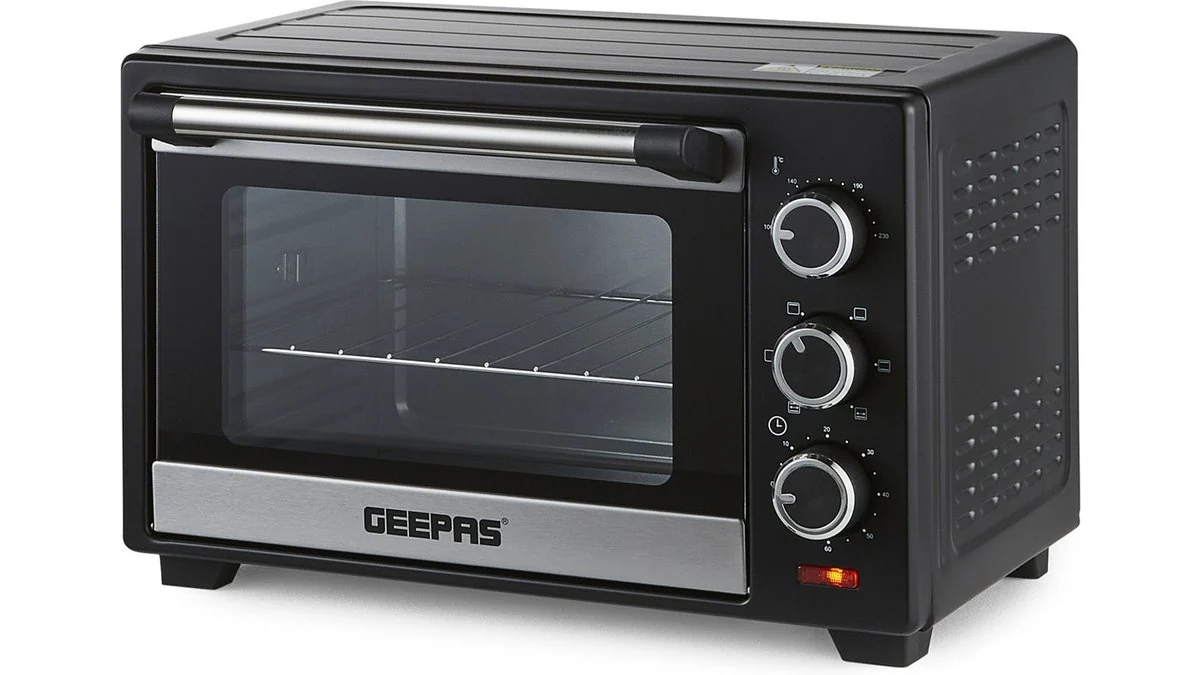
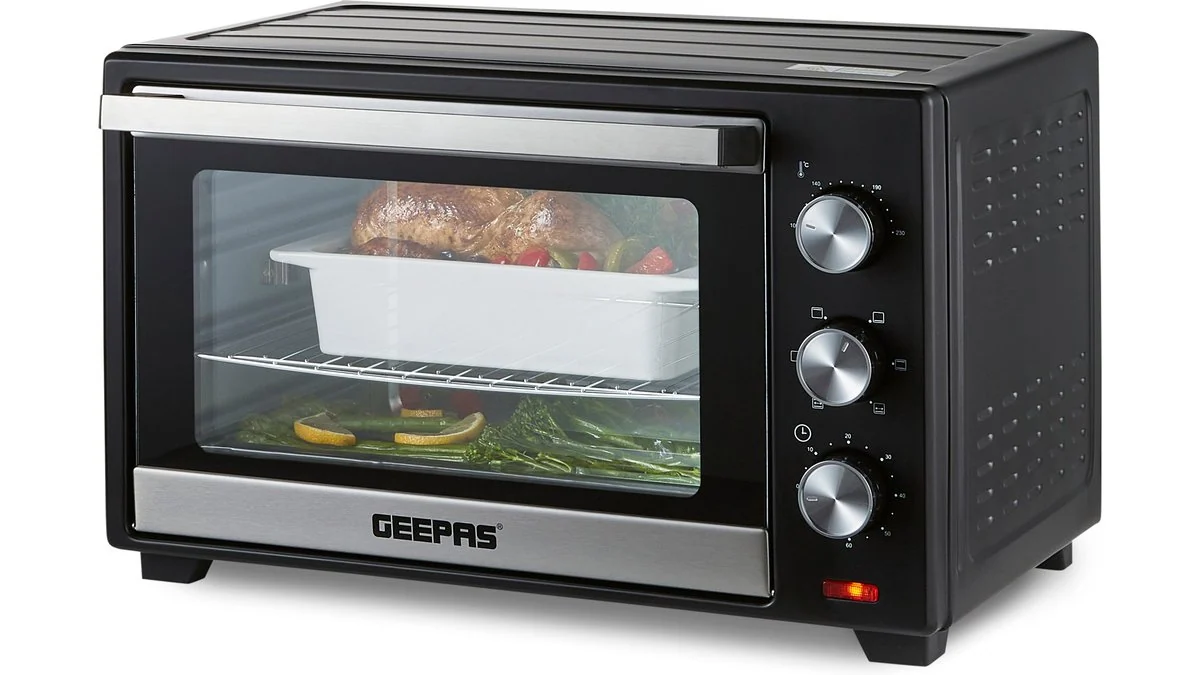
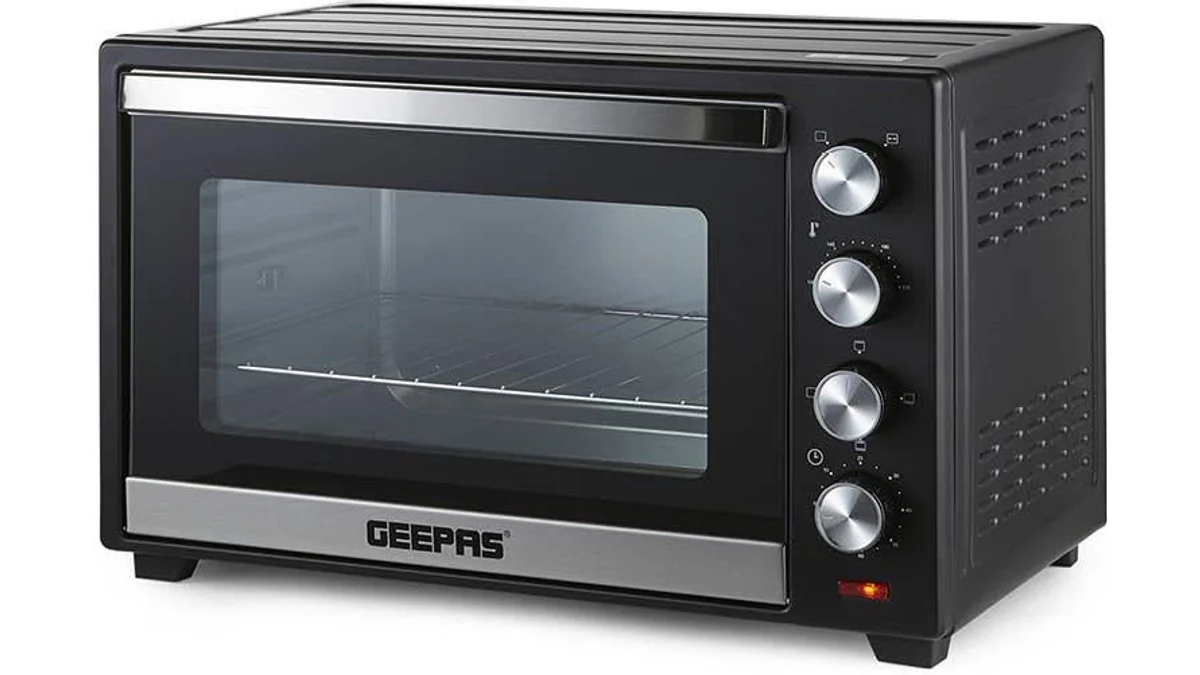
Oven-only alternatives (no hotplate): every pick above pairs an oven with a hob. If you already have rings — a gas hob you are keeping, or a cheap table-top plate — the same money buys a bigger, better oven instead. Geepas makes three plug-in countertop ovens that suit a small flat, each with a grill and rotisserie and each drawing well under the 3kW socket limit: the Geepas 19L compact electric mini oven with rotisserie (1,280W, £44.40), the Geepas 30L electric mini oven and grill cooker (1,600W, 100–230°C, £63.74) and the Geepas 48L portable electric mini oven with grill and rotisserie (2,000W, £99.99) — though at 48 litres that last one is above the 45-litre ceiling this guide recommends, so measure your worktop before ordering. Prices checked 17 September 2026. None of the three has a hotplate, so none of them replaces a hob: if you need to boil as well, add a separate single-ring plate.
What to Look for When Buying
- Combined wattage: Stay at or below 2,850W to avoid tripping the circuit. Anything above 3,000W risks nuisance tripping.
- Capacity: 30–45L is the sweet spot. Below 30L and you’ll struggle with a full Sunday roast. Above 45L and the unit becomes too bulky for most worktops.
- Independent hotplate controls: Essential for cooking multiple dishes. Budget models sometimes link the hotplates together.
- Timer length: 90–120 minutes is better for roasting and baking. Some budget models only offer 60 minutes.
- Double-glazed door: Keeps exterior cooler, improves efficiency, and is safer in small kitchens.
- Warranty: Daewoo and Tower offer three years with registration. Budget brands typically offer one year.
- Oven temperature range: Look for at least 100–230°C. Some budget models peak at 200°C, which isn’t hot enough for good bread or pizza.
- Oven light: Small detail, but hugely useful for checking on your food without opening the door and losing heat.
Accessories Worth Buying
- Oven thermometer (~£5) — the built-in thermostats on budget mini ovens can be 20–30°C off. A simple oven thermometer fixes this.
- Baking tray or silicone mat — most units come with one tray, but a second is useful.
- Cooling rack — helps with even baking and cooling pastries.
Installation and Setup Guide
Setting up a plug-in mini oven is genuinely simple:
- Choose your location: Needs to be on a stable, heat-resistant surface. Leave at least 10cm clearance on all sides (especially above) for ventilation.
- Check the socket: Use a dedicated 13A socket if possible. Avoid extension leads — mini ovens draw significant power and extension leads can overheat.
- First use: Run the oven empty at 200°C for 20 minutes. This burns off any manufacturing residues and is completely normal.
- Season the hotplates: If the hotplates are metal (not ceramic), rub a thin layer of cooking oil on them and heat for 5 minutes.
- Test the power: Run the oven at 200°C and one hotplate at medium. If the breaker trips, you’re drawing too much — reduce the hotplate power or run them sequentially.
Energy Usage and Running Costs
Despite being smaller than a full-size cooker, mini ovens aren’t necessarily cheaper to run per meal. Here’s the breakdown:
- A mini oven uses roughly 1.5–2.0kWh for a one-hour roast at 200°C
- A full-size electric oven uses roughly 1.8–2.5kWh for the same roast
- An air fryer uses roughly 0.6–1.0kWh for the same roast (because it’s smaller and faster)
So you’re saving about 20-30% on energy compared to a full-size oven. But an air fryer is still more efficient for small portions. The mini oven wins when you need the capacity — roasting a whole chicken, baking a cake, or cooking for 3-4 people.
Typical running cost: Approximately 25–35p per hour of oven use at current UK electricity rates (approximately 27p/kWh as of 2026).
Real Renter Scenario
Priya’s story: Priya lives in a studio flat in London’s Zone 2. Her kitchen is a corner of the living room with a mini fridge, a sink, a microwave, and two 13A sockets. No gas, no oven. “I bought the Daewoo 32L mini oven with hotplates after spending six months living on microwave meals. It changed everything. I can now roast vegetables, bake chicken, even make a small cake. The hotplates handle my dal and stir-fries. The whole unit sits on a sturdy trolley I move next to the table when cooking. My electricity bill went up about £8 a month, but I’m eating proper food instead of ready meals.”
Final Verdict
For most small UK flats the NETTA 45L is the best all-rounder — generous capacity, two independently controlled hotplates, and a reasonable price. On a tight budget the Daewoo 32L delivers remarkable value for under £75. If you have more space and want better baking performance, the Tower T14045 42L is a solid step up.
Whichever you choose, measure your counter space first and keep the 3kW safety rule in mind. These plug-in mini ovens are the overlooked alternative to expensive hardwired cookers — and for a growing number of UK flat-dwellers, they’re all the cooker you’ll ever need.
For more on combining a mini oven with other 13A appliances, read our complete guide to 13A cooking setups. If you’re torn between a mini oven and an air fryer, see our comparison of the two options.
Prices correct as of July 2026. Contains affiliate links — if you buy through them we may earn a small commission at no extra cost to you.