Induction vs Ceramic vs Gas Hob: Which Should You Choose?
Disclosure: This post contains affiliate links. If you purchase through them, we earn a small commission at no extra cost to you. Learn more.
If you’re buying a new cooker or hob, the biggest decision is the hob type. Induction, ceramic (electric), and gas all have passionate advocates. Here’s the real comparison for UK kitchens in 2026.
But there’s a question most comparison articles miss: what if your flat doesn’t have a 32A cooker circuit? That changes everything. Let’s cover both scenarios — with and without the right wiring.
The Quick Comparison
| Feature | Induction | Ceramic (Electric) | Gas |
|---|---|---|---|
| Speed | Very fast — boils in ~2 min | Slow — heats and cools gradually | Fast — instant flame |
| Efficiency | ~84% (best) | ~60% | ~45–55% |
| Control precision | Excellent — instant response | Poor — slow to change temp | Good — visual flame |
| Safety | Hob stays cool, pan detection | Hob stays hot for ages (burn risk) | Open flame, gas leak risk |
| Cleaning | Smooth glass — wipe clean | Smooth glass — spills bake on | Pan supports, burner caps |
| Installation | Needs 32–45A circuit | Needs 32–45A circuit | Needs Gas Safe fitter |
| Running cost (per meal) | ~15–25p | ~20–35p | ~10–20p |
| Pan compatibility | Ferrous pans only (magnetic) | Any flat-bottomed pan | Any pan |
| 13A plug-in option? | Yes — power-limited models | No — all need 32A+ | No — gas supply needed |
| Upfront cost (budget) | ~£250–£500 | ~£200–£400 | ~£200–£400 |
Induction — The Best All-Rounder
Induction is the clear winner for most people in 2026. It’s fast, efficient, safe, and easy to clean. The hob surface stays cool to the touch — only the pan heats up — which means no burned fingers and no heat escaping into the room. In summer, that’s a genuine advantage over gas, which turns your kitchen into a sauna.
The good:
– Boils water in roughly 2 minutes — faster than gas or ceramic
– 84% energy efficiency means less waste heat and lower bills
– Precise temperature control — adjust instantly, like having a gas flame but better
– Safety features: pan detection (won’t heat if nothing’s on it), auto shut-off, child lock
– Wipe-clean glass surface — nothing burns onto it because the glass doesn’t get that hot
– Some models have bridging zones for griddle pans
The not-so-good:
– You need the right pans — ferrous metal only (test with a fridge magnet)
– Built-in models need a 32–45A dedicated circuit — installation costs £150–£400
– Budget induction hobs can have annoying power pulsing at low settings
– Some people find the fan noise (for cooling) noticeable
– If the electronics fail, repair can be expensive — sometimes cheaper to replace
Best for: Most people. Fast, efficient, safe. If you have the right pans and the right wiring, it’s the best choice.
For renters or anyone without a 32A circuit: A 13A plug-in portable induction hob (single or two-ring) gives you most of the induction benefits without the installation. You lose multi-ring cooking but gain flexibility and portability. See our guide to 13A plug-in induction hobs.
Ceramic — The Middle Ground
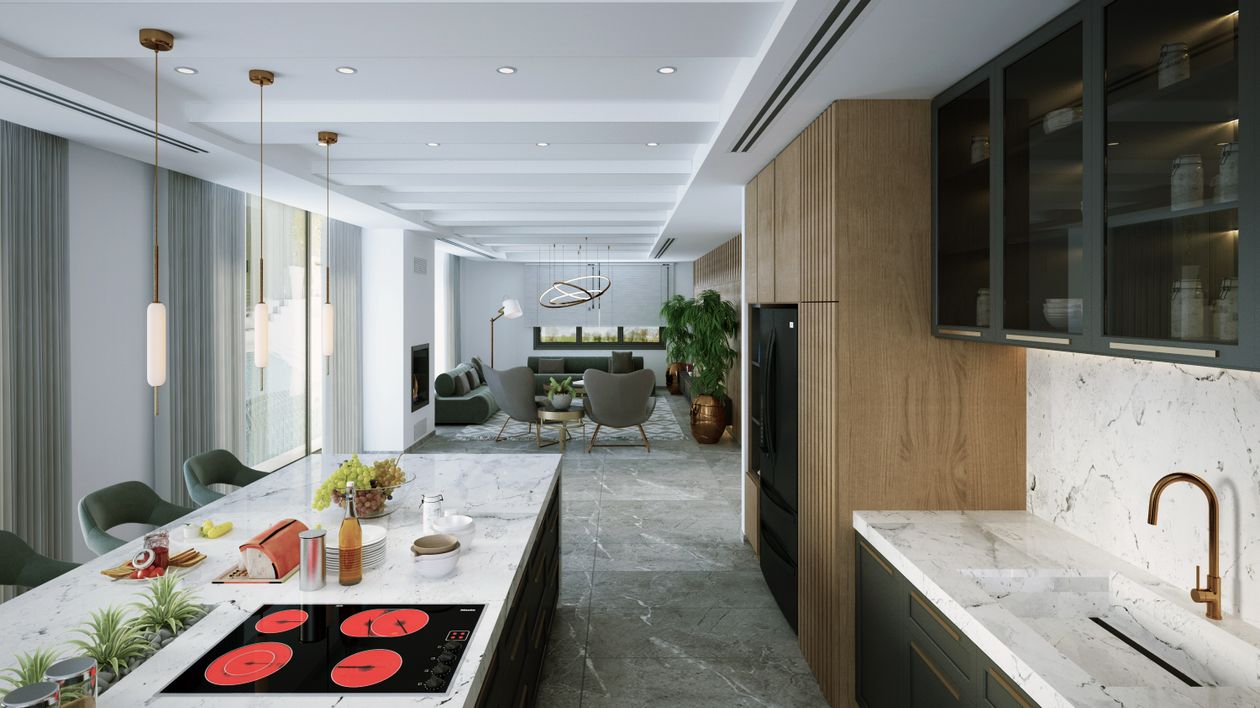
Ceramic hobs (also called radiant or electric hobs) use heating elements under a glass-ceramic surface. They’re cheaper to buy than induction and work with any flat-bottomed pan — no magnetic test needed.
The good:
– Works with any pan — stainless steel, non-stick, copper, aluminium (flat-bottomed)
– Generally cheaper upfront than induction (£200–£400 vs £250–£500)
– No pan matching required — just put any pan on any zone
– Smooth glass surface (but see below about cleaning)
– No gas supply needed — electric-only
The not-so-good:
– Slow to heat up and cool down — the glass gets hot and stays hot for ages after you turn it off
– Low efficiency — around 60%, meaning 40% of energy heats the room, not your food
– Spills bake onto the glass because the surface stays hot — cleaning can be a chore
– Slow response — turn down the heat and the glass takes 30-60 seconds to cool, so timing is harder
– The hot surface indicator stays on for ages after cooking — easy to accidentally touch
– No glow-ring on many models — hard to tell if a zone is still hot
– Crucially, no 13A plug-in option exists — every ceramic hob needs a 32–45A hardwired circuit
Best for: Budget buyers who already have a 32A circuit and can’t stretch to induction. The lower upfront cost is tempting, but the higher running costs and slower performance mean most people regret not spending the extra on induction.
Our honest take: Ceramic is a dying technology. Induction has effectively replaced it at the same price point. The only reason to choose ceramic over induction is if you absolutely must use aluminium or copper pans (which don’t work with induction), or if your budget genuinely can’t stretch the extra £50–100.
Gas — The Cook’s Choice
Many keen cooks prefer gas for the instant visual control and the ability to use any pan. It’s cheaper per kWh than electricity (though efficiency is lower). The blue flame is familiar and reassuring.
The good:
– Instant heat — the flame is on or off, no warm-up time
– Visual control — you can see exactly how much heat you’re applying
– Works with any pan — wok, paella pan, copper, anything
– Generally cheaper per kWh than electricity (approximately 6p vs 27p per kWh as of 2026)
– Woks work properly — the flame wraps around the curved sides
– No electronics to fail — a gas hob can last 20+ years
The not-so-good:
– Least efficient hob type — 45–55% efficiency, lots of heat lost around the pan
– Heats up the room in summer — that lost heat has to go somewhere
– Requires good ventilation — extractor fan or open window, especially in small flats
– Installation must be done by a Gas Safe registered engineer — not a DIY job
– Gas supply not available in all flats (especially high-rise buildings)
– Cleaning is fiddly — pan supports, burner caps, and ring gaps collect grease
– Open flame is a burn risk, especially with children
– Ongoing gas safety check costs (£40–£80/year if you own)
– Hob-only models still need a gas supply — no plug-in alternative for gas
Is gas cheaper to run? Yes and no. Gas is cheaper per kWh (roughly 6p vs 27p for electricity), but gas hobs are only 45–55% efficient. Induction hobs are 84% efficient. When you factor in efficiency, gas works out at roughly 11–13p per useful kWh while induction works out at roughly 32p per useful kWh. So gas is still cheaper to run — but the gap is smaller than the headline numbers suggest. For a typical household cooking one hour a day, gas saves roughly £5–£10 per month.
Best for: Enthusiast cooks who value control and don’t mind the downsides. People who cook with woks regularly. Anyone with a gas supply who prefers the tactile experience.
For renters: If your flat has a gas hob but no oven, an air fryer or mini oven is the perfect complement see our comparison.
The 13A Factor — Why Wiring Matters More Than You Think
The biggest hidden factor in the induction vs ceramic vs gas decision is your electrical supply. Most UK comparison articles assume you have a 32A cooker circuit — but many flats don’t.
| Wiring / Supply | Induction | Ceramic | Gas |
|---|---|---|---|
| 32A cooker circuit available | ✅ Best choice | ✅ Works (but slower) | ✅ Works if gas supply |
| 13A sockets only (no cooker circuit) | ✅ 13A plug-in model works | ❌ Won’t work | ❌ Needs gas supply |
| Gas supply only | ❌ Needs electric for hobs | ❌ Needs electric | ✅ Works |
| No gas, no cooker circuit | ✅ 13A plug-in induction | ❌ No viable option | ❌ No gas supply |
If you have a 32A circuit and the right pans, go induction — no question. If you only have 13A sockets and no gas, a 13A plug-in induction hob is your best option. If you have gas, you’ve already got a functional hob; consider an air fryer for oven duties.
Temperature Control Comparison
The way each hob type manages temperature affects everyday cooking more than most specs suggest.
Gas: You see the flame, you adjust it. The pan responds within seconds. A low flame gives gentle heat consistent enough for melting chocolate or reducing a sauce. Experienced cooks develop muscle memory for flame heights.
Induction: The temperature dial feels like a dimmer switch — twist and the power level changes instantly. The pan responds faster than gas because the heat is generated directly in the pan metal, not transferred through the pan from below. At low settings, cheaper induction hobs pulse on and off rather than maintaining steady heat — a known annoyance for simmering.
Ceramic: Slow in both directions. Turn up the heat and the glass takes 30–60 seconds to reach temperature. Turn it down and the glass continues to radiate heat for minutes. This makes precise cooking difficult — you have to anticipate temperature changes rather than reacting to them.
Safety Comparison
Safety matters in small flats where the kitchen is part of the living space.
| Hazard | Induction | Ceramic | Gas |
|---|---|---|---|
| Burn risk (surface) | Low — hob stays cool | High — stays hot for 30+ min | Medium — flame is hot but visible |
| Fire risk | Low — auto shut-off, pan detection | Medium — accidental contact with hot surface | Medium — open flame, gas leaks |
| Gas leak risk | None | None | Yes — if fittings fail or flame goes out |
| Child safety | Excellent — cool surface, child lock | Poor — hot surface invisible | Medium — guard needed around flame |
| Indoor air quality | Excellent — no combustion | Excellent — no combustion | Poor — releases CO2, NO2, moisture |
Induction is the safest option, particularly for small flats where the kitchen is open-plan to the living area. No open flame, no hot surface, no combustion gases. Ceramic’s hot glass is arguably more dangerous than a visible gas flame because you can’t tell it’s hot.
Cleaning and Maintenance
Induction: Wipe with a damp cloth. Spills don’t burn on because the surface stays cool. Cleaner of the three by a significant margin.
Ceramic: Spills bake onto the hot glass. You need special ceramic hob cleaner and a scraper for burnt-on residue. The surface develops micro-scratches over time that make it harder to clean.
Gas: Pan supports need regular removal and washing. Burner caps need cleaning to prevent uneven flames. Grease collects in hard-to-reach gaps. The most labour-intensive option.
Real Renter Scenario
Mark’s story: Mark lives in a modern flat in Birmingham with a gas hob but no oven. “I went back and forth about replacing the gas hob with an induction model, but the installation cost for a 32A circuit was £350 and my landlord wouldn’t help. In the end I kept the gas hob (it works fine) and bought an air fryer for oven duties. That £350 I saved paid for the air fryer, a new set of pans, and a nice cast iron skillet. I’ve been cooking like this for a year and I genuinely prefer it to the full-size electric cooker I had before.”
The Verdict
Best all-round: Induction — faster, safer, more efficient. Spend extra for it if you can and have the wiring.
Best for budget: Ceramic — works with any pans, cheaper upfront, but higher running costs and slower. Only choose this if you really can’t stretch to induction.
Best for keen cooks: Gas — unbeatable control and responsiveness. Factor in ventilation and Gas Safe installation. If you love cooking with a flame, nothing else will satisfy you.
Best for renters / no 32A circuit: Portable induction hob (13A plug-in). You lose multi-ring cooking but gain everything else induction offers. See our complete guide to 13A cooking setups for more options.
Best pair (hob + oven): Induction hob + air fryer. Covers more cooking tasks than any single hob type. Modern induction hobs are fast and efficient, while air fryers handle roasting and baking better than any built-in oven for small households. See our hob vs air fryer comparison for more.
Our recommendation for 2026: If you’re buying new and have the right wiring, buy induction. If you don’t have the wiring, buy a 13A plug-in induction hob. Gas is a worthy alternative if you already have the supply and prefer flame cooking. Ceramic is only worth considering on a very tight budget where you can’t stretch to induction and already have a 32A circuit.
For more on hob types and electrical requirements, see our electric cooker buying guide and installation costs explained.