| Upfront cost (cooker) | £200–£600 | £250–£500 | £400–£1,500 |
| Installation cost | £100–£250 (Gas Safe) | £80–£150 existing circuit / £300–£600 new circuit | Same as electric |
| Running cost per kWh | ~7p (gas, Oct 2026 cap) | ~25–30p (electricity) | ~25–30p (electricity) |
| Energy efficiency (hob) | 45–55% | ~60% | ~84% |
| Energy efficiency (oven) | ~70% | ~75% (fan) | ~75% (fan) |
| Cost per typical meal | ~10–20p | ~20–35p | ~15–25p |
| Annual cost (average UK household) | ~£90–£130 | ~£130–£180 | ~£100–£150 |
| Pan compatibility | Any pan | Any flat-bottomed pan | Magnetic base only |
| Speed (boil 1 litre) | 4–5 minutes | 3–4 minutes | ~2 minutes |
| Ventilation needed | Yes — combustion gases | No — but extractor recommended | No — but extractor recommended |
| Safety risks | Gas leaks, CO poisoning, open flame | Burns from hot surface | Low (surface stays cool) |
| Environmental impact | Fossil fuel — highest CO₂ | Variable (grid-dependent) | Variable — most efficient use of grid |
| Rental-friendly? | Needs gas supply and Gas Safe fitter | Needs 32A circuit or expensive install | Needs 32A circuit or expensive install |
A gas hob transfers only about 50% of its heat to the pan — the rest goes into the air around it. That means to deliver 1kWh of useful cooking heat on a gas hob, you burn about 2kWh of gas, costing roughly 14p.
So induction is still more expensive per meal than gas, but the gap is much smaller than the raw unit prices suggest. And induction wins on speed: you’ll have the hob on for less time, which further reduces the difference.
| Meal type | Gas cost | Induction cost | Ceramic cost |
|---|
| Quick pasta (boil + sauce, 15 min) | ~10p | ~12p | ~16p |
| Full roast dinner (hob + oven, 90 min) | ~55p | ~65p | ~85p |
| Weekly cooking (average household) | £2.00–£2.50 | £2.50–£3.00 | £3.50–£4.00 |
| Annual total | £100–£130 | £125–£155 | £170–£210 |
Based on average UK household cooking patterns. Actual costs will vary with your usage, tariff, and appliance efficiency.
Installation Requirements — What You Actually Need
Gas Cooker
You need a gas supply pipe in the kitchen and a Gas Safe Registered engineer to connect it. The engineer will check the gas pressure, test for leaks, verify ventilation, and complete the commission. If there’s no gas supply to your kitchen (common in flats built after 2000), running a new gas pipe is expensive — easily £500–£1,500 depending on distance.
Gas cookers also require adequate ventilation — a window that opens or an extractor fan that vents outside. Gas combustion produces carbon monoxide, nitrogen dioxide, and water vapour. In a small modern flat with tight seals, this is a genuine concern. CO alarms are recommended (and legally required in rented properties with gas appliances in Scotland).
Electric Cooker (32A)
You need a 32A, 40A, or 45A dedicated cooker circuit. If you already have one, connection is £80–£150. If you don’t, installing a new circuit costs £300–£600. For a full breakdown of what that involves, read our electric cooker installation guide.
Electric Cooker (13A Plug-In)
If you have neither gas supply nor a 32A circuit, a 13A plug-in freestanding electric cooker is the most straightforward option. It plugs into a standard socket — no installation, no Gas Safe engineer, no rewiring. These are 50cm wide models typically costing £300–£400. We’ve reviewed the best models here.
Cooking Performance — What Chefs Say

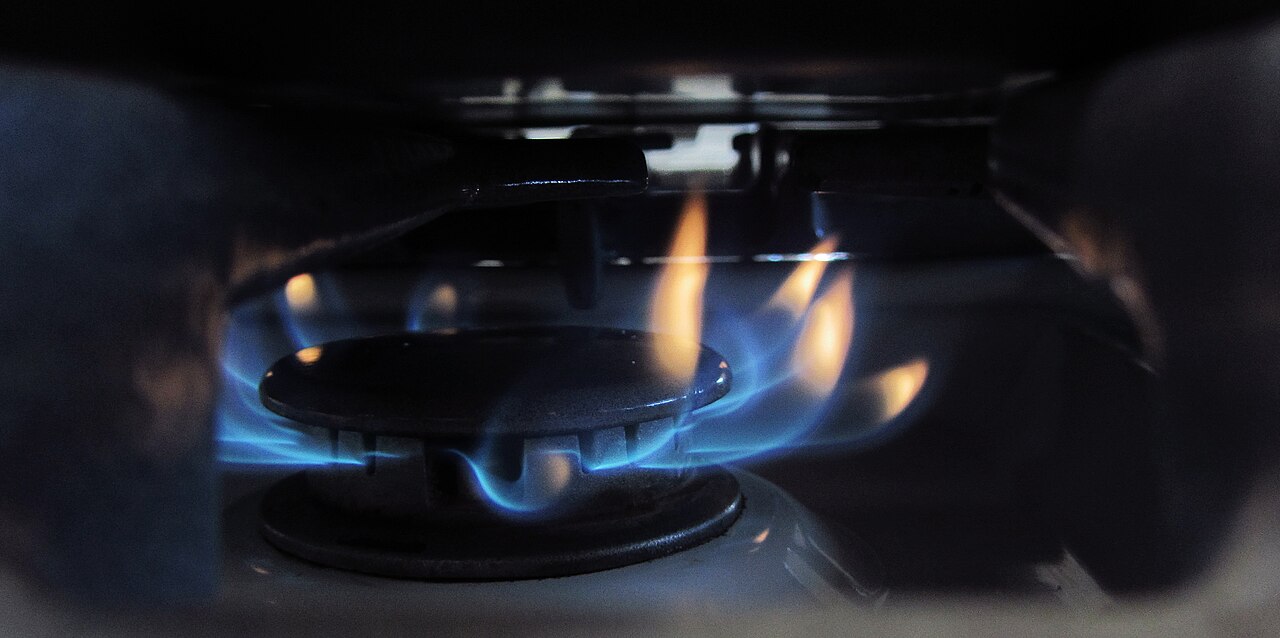
Gas gives you instant visual control. You see the flame, you adjust it, the pan responds immediately. This matters for techniques like searing, stir-frying, and delicate sauces. Gas also works with any pan — woks, copper, thin stainless steel, non-stick — no magnetic compatibility tests.
Induction is faster than gas for boiling and heating. A litre of water boils in about two minutes versus four to five minutes on gas. Temperature control is excellent — arguably more precise than gas because the electromagnetic field responds instantly to changes. The downsides: you need magnetic pans (a magnet should stick to the base), and some people dislike the lack of visual feedback.
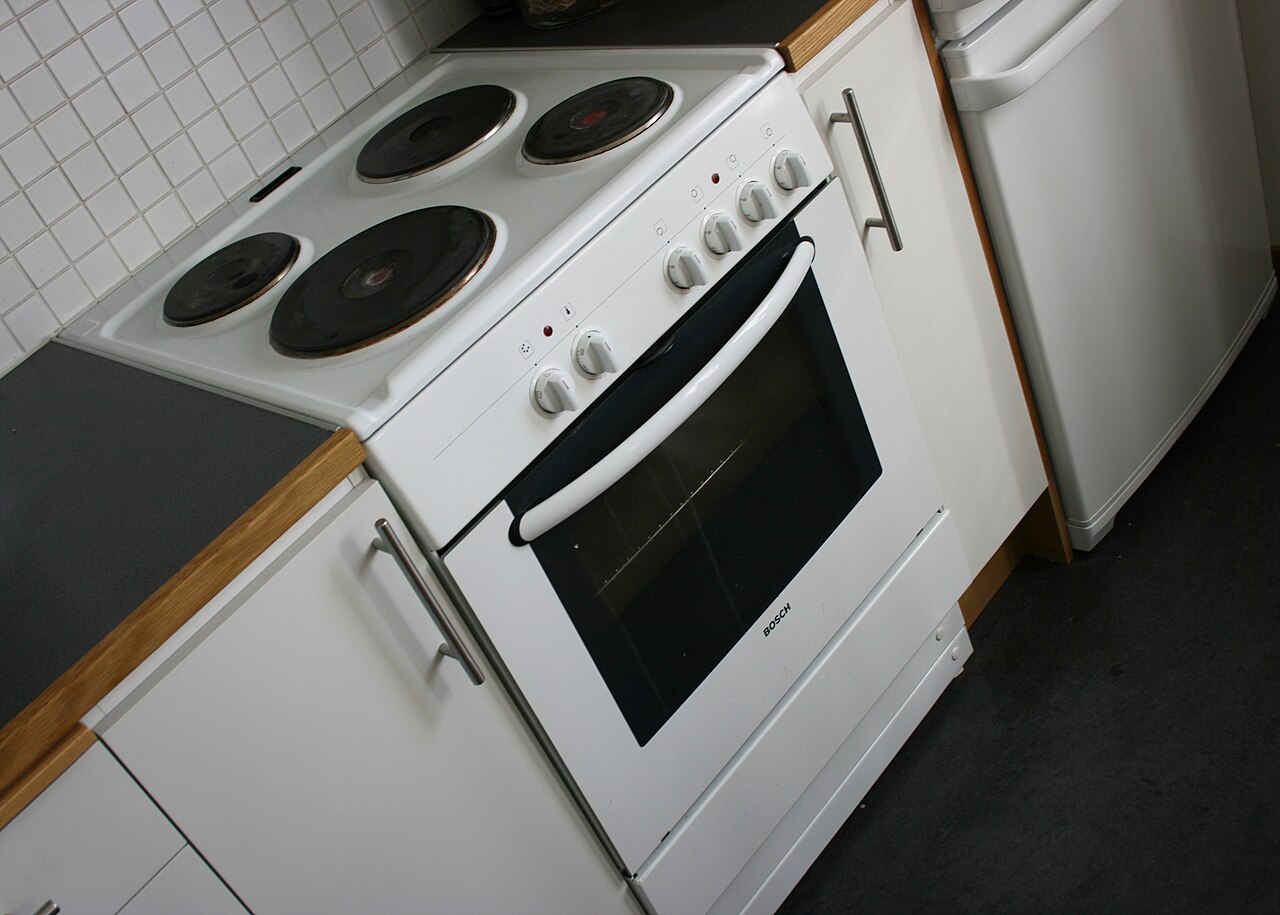
Ceramic is the least impressive performer. It’s slower to heat up and cool down than both gas and induction. The glass surface gets extremely hot and stays hot for a long time after use. It’s the budget option, and it performs like one.
Renter’s scenario: “I grew up with gas and was convinced electric cookers were rubbish. When I moved into a rented flat in Bristol that only had a 13A socket, I was sure I’d hate it. But I bought a 50cm Beko plug-in model and honestly, I can’t tell the difference for most things. It’s slower to boil pasta than gas, but the fan oven is more even for baking. My gas bill has gone entirely (the flat has electric heating too). The only thing I miss is the visual control for stir-frying, but a decent non-stick wok on the ceramic hob works well enough.” — James, Bristol
Safety Comparison
| Safety factor | Gas | Electric ceramic | Electric induction |
|---|
| Open flame | Yes | No | No |
| Carbon monoxide risk | Yes (needs ventilation + alarms) | No | No |
| Gas leak risk | Yes | No | No |
| Surface stays hot after use | No (except the pan itself) | Yes — very hot for 20+ minutes | No — surface stays cool |
| Child safety | Flame guard recommended | Hob lock available | Hob lock, auto shut-off |
| Fire risk (from appliance) | Low (if properly installed) | Low | Very low |
| Explosion risk | Yes (gas leak scenario) | No | No |
The safety verdict: Induction is the safest option by a significant margin. The cooking surface stays cool — only the pan heats up — so you can touch the hob immediately after cooking. No open flame, no combustion gases, no gas leak risk. Ceramic is less safe because the surface gets dangerously hot. Gas carries inherent risks that require proper installation, ventilation, and maintenance.
Environmental Impact
Gas is a fossil fuel. It produces CO₂ when burned, plus other pollutants. The UK grid is decarbonising rapidly — the electricity mix in 2026 is significantly cleaner than it was in 2020, and it will continue to improve. Induction cooking gets greener over time; gas never does.
If you have solar panels, cooking with induction during daylight hours is effectively free and zero-carbon. Even without solar, the average grid carbon intensity in 2026 means that cooking with induction produces about the same CO₂ as gas for most meals, and will be lower by 2028–2030.
New gas connections are being discouraged in new-build homes. From 2025, many new developments are wired for electric only, and the Future Homes Standard (coming into force in 2025) effectively mandates electric heating and cooking in new-build homes across the UK.
The Verdict
Choose gas if: You already have a gas supply, you prefer the instant visual control of a flame, or you want the lowest running costs on the hob. You’re comfortable with the environmental trade-off and the need for ventilation and CO alarms. You cook with specialist pans (woks, copper) that won’t work on induction.
Choose induction if: You’re buying new appliances, you value speed and safety, or you have solar panels. Induction is the long-term winner for most people. Just check your cooker circuit rating first — our guide to circuit ratings will tell you if you need an upgrade.
Choose ceramic if: Your budget is tight, you want a new electric cooker, but you’re not ready to replace your pans. Ceramic is the cheapest electric option — just expect slower cooking, higher running costs, and a hob that stays dangerously hot after use.
No gas supply and no 32A circuit? A 13A plug-in cooker is your simplest and most cost-effective option. No installation, no fuss, and perfectly capable for everyday cooking. See our buying guide for everything to check before you order.
The bottom line for 2026? Gas still wins on running costs and cooking control, but induction is catching up fast on both fronts and wins on safety, speed, and environmental impact. For flats and rental properties, induction (or 13A plug-in electric) is usually the more practical choice.