Can a Portable Induction Hob Replace Your Built-In Hob Long Term?
Disclosure: This post contains affiliate links. If you purchase through them, we earn a small commission at no extra cost to you. Learn more.
Portable induction hobs are often seen as a temporary fix — something you use while the kitchen is being renovated, or while you save up for a proper built-in. But after using one daily for months, I’m starting to wonder: is the ‘temporary’ label fair? Here’s an honest look at what works long term and what doesn’t.
Let’s start with a basic truth: if your flat doesn’t have a 32A cooker circuit — and most UK rental flats don’t — then a portable induction hob isn’t a stopgap. It’s your only realistic option for induction cooking. And once you’ve used induction for a while, going back to a resistive electric hob or gas feels like a downgrade.
The Case For Keeping It
1. Counter Space Flexibility
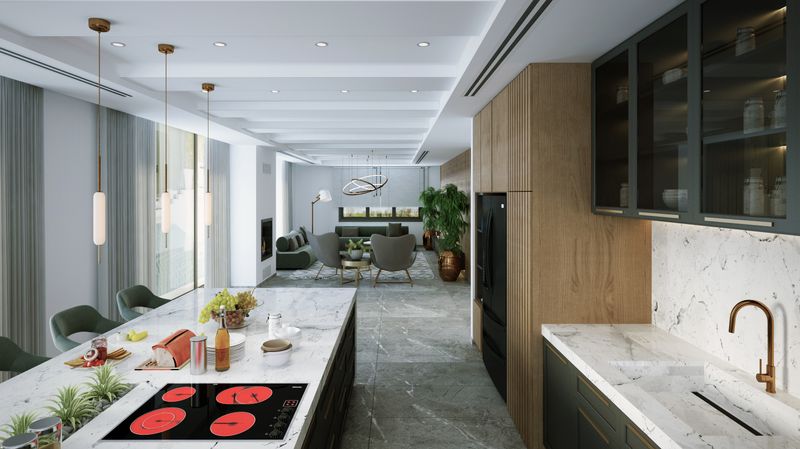
This is the killer feature nobody talks about. A built-in hob is a permanent hole in your worktop. Once it’s there, that real estate is gone forever. A portable hob goes in a cupboard when you’re done. Suddenly that worktop space is available for chopping, rolling pastry, laying out a big spread, or just having a clear surface. In a small kitchen, that makes a real difference to how usable the space feels day to day.
When you’re not cooking, the hob isn’t taking up space. When you are, you can position it wherever suits you — on the main counter, on a breakfast bar, or even on a sturdy table if your kitchen is genuinely tiny. That flexibility is something no built-in hob can match.
2. No Installation Hassle
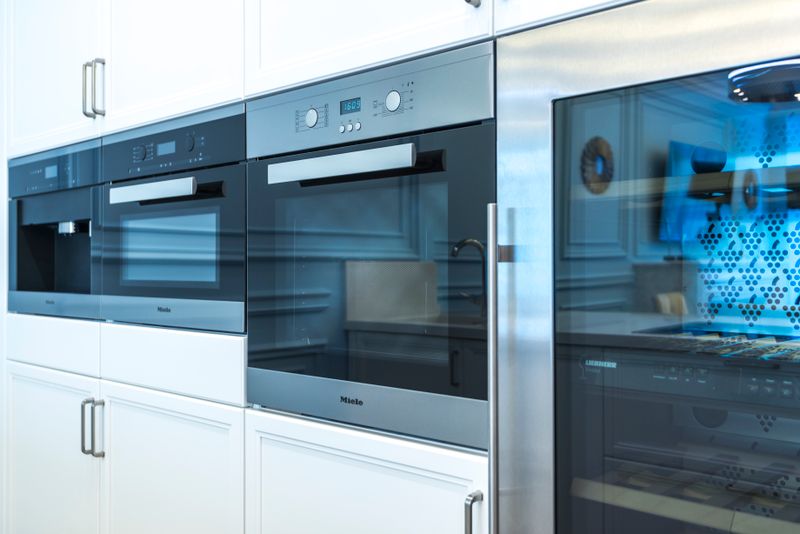
A built-in hob means cutting a hole in your worktop, running a 32A or 45A circuit from the consumer unit, fitting a double-pole isolator switch, and paying a Part P registered electrician. A portable hob means unpacking it and plugging it in. If you rent, or if you’re in an older flat without a dedicated cooker circuit, the portable option isn’t just convenient — it’s the only realistic option.
The installation cost difference is staggering:
| Cost Item | Built-In Hob | Portable Hob |
|---|---|---|
| Appliance cost | £250–£500 | £40–£120 |
| Electrician (32A circuit) | £150–£400 | £0 |
| Worktop cutting | £50–£150 | £0 |
| Part P notification | £50–£100 | £0 |
| Total | £500–£1,150 | £40–£120 |
That’s potentially a £1,000 saving — enough to buy a portable hob, an air fryer, and a decent set of pans, with change left over.
3. You Can Take It With You
Every £200–£500 you’d spend on installing a built-in hob is money you never see again when you move. A portable hob follows you to your next kitchen. Ours has survived two house moves and is still going strong.
This matters more than you might think. The average UK renter moves every 2–4 years. If you’re installing a built-in hob in a rental, you’re adding value to someone else’s property. With a portable hob, your investment moves with you.
4. You Can Upgrade Without Regret
Portable hobs are cheap enough that when a better model comes out — faster heating, better simmer control, a more compact design — you can upgrade without feeling bad about the old one. Try doing that with a built-in hob that requires cutting a new hole in your worktop.
The Case Against
1. One Ring Limits Your Cooking
The single biggest drawback. With one ring, you cook sequentially — boil pasta, drain, fry sauce, combine. You can’t have spaghetti carbonara on one ring and garlic bread under the grill at the same time. It’s fine for most meals, but if you regularly cook complex meals for multiple people, you’ll feel the limit.
Two-ring portables exist (we tried the Klarstein VariCook) but they tend to share the 2000–2900W across both rings, so neither gets full power. And based on our experience, build quality on cheap two-ring units is unreliable. The one-ring units from reputable brands (Esparanza, Russell Hobbs, Breville) are much more dependable. For the models on sale now, our guide to two-ring plug-in hobs lists the 2,800 W twins that plug into an ordinary socket.
The workaround is to use two single-ring portables. They’re small enough that you can run two side by side, each on its own socket. Total cost: about £80–£100 for two. That gives you proper two-ring cooking with full power on each ring.
2. Simmer Control Can Be Annoying
This is a known issue with portable induction hobs. At low power settings, they pulse on and off rather than maintaining a steady low heat. It’s fine for keeping soup warm, but if you want to gently simmer a delicate sauce for 20 minutes, you’ll notice the temperature cycling. More expensive portables handle this better, but it’s inherent to how budget induction hobs manage low power.
The fix: buy a model with a proper ‘simmer’ function rather than just a low power level. The Esparanza EKH006 (£50) has a dedicated simmer mode that’s much better than the pulsing you get on ultra-budget models. Alternatively, use a diffuser plate on the lowest setting.
3. Aesthetics
A portable hob sitting on the counter doesn’t look as sleek as a flush-mounted induction hob. If kitchen aesthetics matter to you, that’s a real consideration. Some people hate having appliances on display.
That said, modern portable hobs are far from ugly. The Esparanza is a slim, black glass unit that looks purposeful and clean. It’s not the same as a seamless built-in, but it’s not an eyesore either.
4. You Lose the Oven
One thing people don’t always consider: a portable induction hob replaces your hob, not your oven. If you’re relying solely on a portable hob, you still need something for roasting, baking, and grilling. That’s where pairing it with an air fryer or compact mini oven makes sense see our guide to building a complete 13A kitchen setup.
Who Should Upgrade to a Built-In?
- You own the property and don’t plan to move
- You regularly cook for 3+ people with multiple pans
- The aesthetics of a flush hob matter to you
- You have a 32A circuit (or can afford to install one)
- You want the highest possible power output
If you tick most of those boxes, a built-in induction hob is the better long-term choice. It’ll cost more upfront, but you’ll get full power on all zones and a seamless look.
Who Should Stick With Portable
- You rent or plan to move within a few years
- Your flat doesn’t have a 32A cooker circuit
- You value flexible counter space
- You cook for 1-2 people most of the time
- You’re on a tight budget
- You want to avoid the hassle of installation
If you tick most of these, a portable induction hob isn’t a compromise — it’s genuinely the smarter option.
Real Renter Scenario
James’s story: James has been using a single-ring portable induction hob as his primary cooking appliance for three years in a rented studio flat in Manchester. “When I moved in, the ‘kitchen’ was just a sink, a small worktop, and a single 13A socket. No gas, no cooker switch. I bought an Esparanza hob and a small air fryer. Three years later, I still haven’t felt the need for a built-in. I cook curries, stir-fries, pasta, eggs — everything except roasting a full Sunday dinner. When I move out next month, the hob and air fryer are coming with me. The whole setup cost me under £120 and it’ll last for years.”
The Verdict
A good portable induction hob (like Daewoo Portable Induction Hob) can genuinely work as a long-term primary hob for most people. The one-ring limit is real, but it’s a constraint you learn to work around rather than a deal-breaker. For renters, flat-dwellers, or anyone without a 32A circuit, it’s not a compromise — it’s the better option. For homeowners with the budget and the wiring, a built-in is still the best long-term investment.
But here’s the key insight: the gap between portable and built-in is narrowing every year. Modern portable hobs have better power management, better simmer control, and more thoughtful designs. For most people’s actual cooking needs, a portable hob paired with an air fryer covers more ground than a full-size cooker ever did.
If you’re unsure, start with a portable hob. Spend £50. Use it for three months. If you genuinely feel constrained by the single ring, then consider saving for a built-in installation. But odds are, you’ll find the portable setup is all you need.
For more on building a complete cooking setup without a 32A circuit, see our complete guide to 13A cooking setups.